





Knapping

|
| Knapped stonework was often used for important buildings constructed during Norman and Saxon periods. One example is the Norwich Guildhall, built in the 1400s. The east end (pictured above) illustrates an example of smooth, chequerboard (or diaper) flushwork of knapped flint and light limestone. The stones are square-knapped to such a degree that galetting was not required - neither was mortar. |
Knapping is a technique used to shape flint (or other stone with similar characteristics). The purpose of knapping is to split the stone and make it into flat squares or other distinct shapes for decorative purposes.
The residual flakes of stone that are created as a result of knapping are sometimes saved and used to fill spaces and protect any exposed mortar. This technique is known as galetting.
In the case of knapped flint, the technique highlights the smooth black surface of flint, which can be framed in limestone. This treatment is called flushwork - the decorative use of knapped flint in conjunction with dressed stone to form patterns.
See also: Building with Flint: a practical guide to the use of flint in design and architecture.
[edit] Related articles on Designing Buildings
Featured articles
Check out some of the best features and news from Designing Buildings as well as key stories from around the web.

Why construction can't afford to ignore the skills gap.
Building Safety Regulator, 19 August

Gill Kernick appointed Independent Chair of Residents’ Panel.
Connecting knowledge, technology and conservation
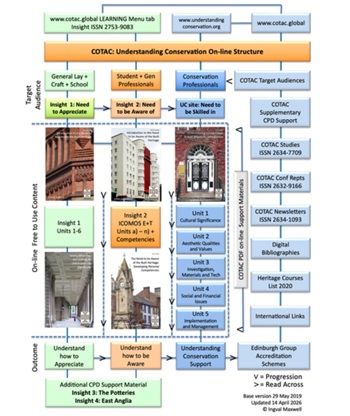
Building competence for the future of built heritage.
Building Regulations and Building Safety Act
CIOB publishes free advice for non-domestic clients.
Building Safety Newsletter from MHCLG.
An extraordinary record of steel engineering worldwide.

Households living near new pylons to save on bills.

ECA warns growth must not outpace grid capacity or skills.
The role of the client and decision making

CIOB response to built environment professions call for evidence.
Construction's sustainability reporting revolution
Tracking upfront embodied carbon with digital tools.
ECA welcomes procurement reforms

Public spending must back British jobs and skills.
Campaigning for Edinburgh: the Cockburn Association 1875-2049
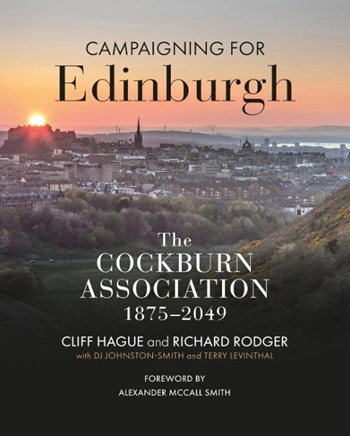
The role of the civic voice in protecting character. Book review.